Epoxy or Polyurethane? A Guide to Choosing the Right System
Epoxy and polyurethane are the two most widely used resin families in floor coating. They are often confused, yet their mechanical and chemical behaviour differs markedly, and the wrong choice leads to early failure.
Key Differences
- Hardness: Epoxy is harder with higher compressive strength, an advantage under heavy point loads.
- Flexibility: Polyurethane is elastic, with better micro-crack bridging and impact absorption.
- UV resistance: Epoxy yellows in sunlight, while polyurethane retains colour stability.
- Thermal shock: Polyurethane tolerates hot water washdown and cold-room transitions better.
- Cure time: Polyurethane generally cures faster, reopening the facility sooner.
Which One, Where?
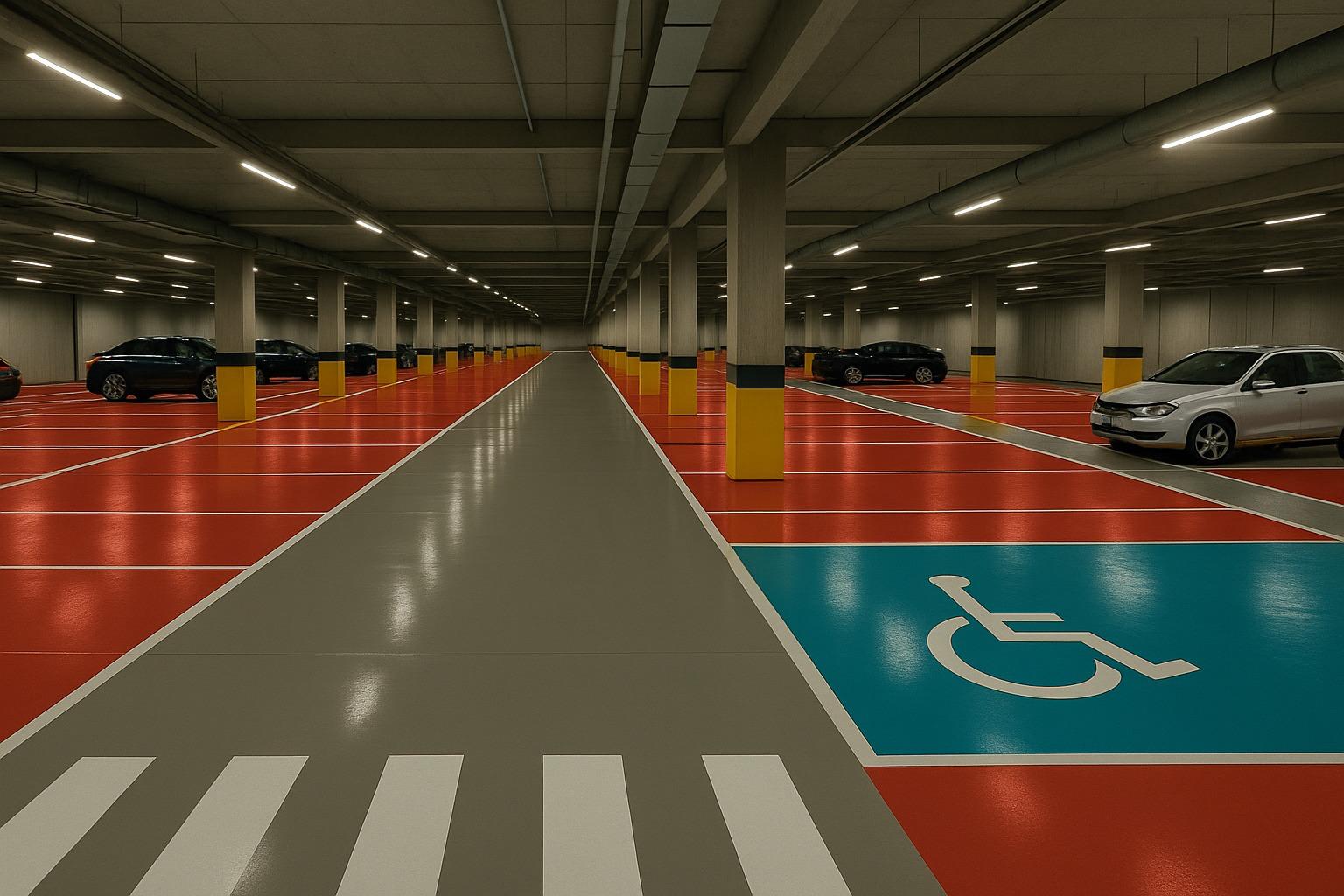
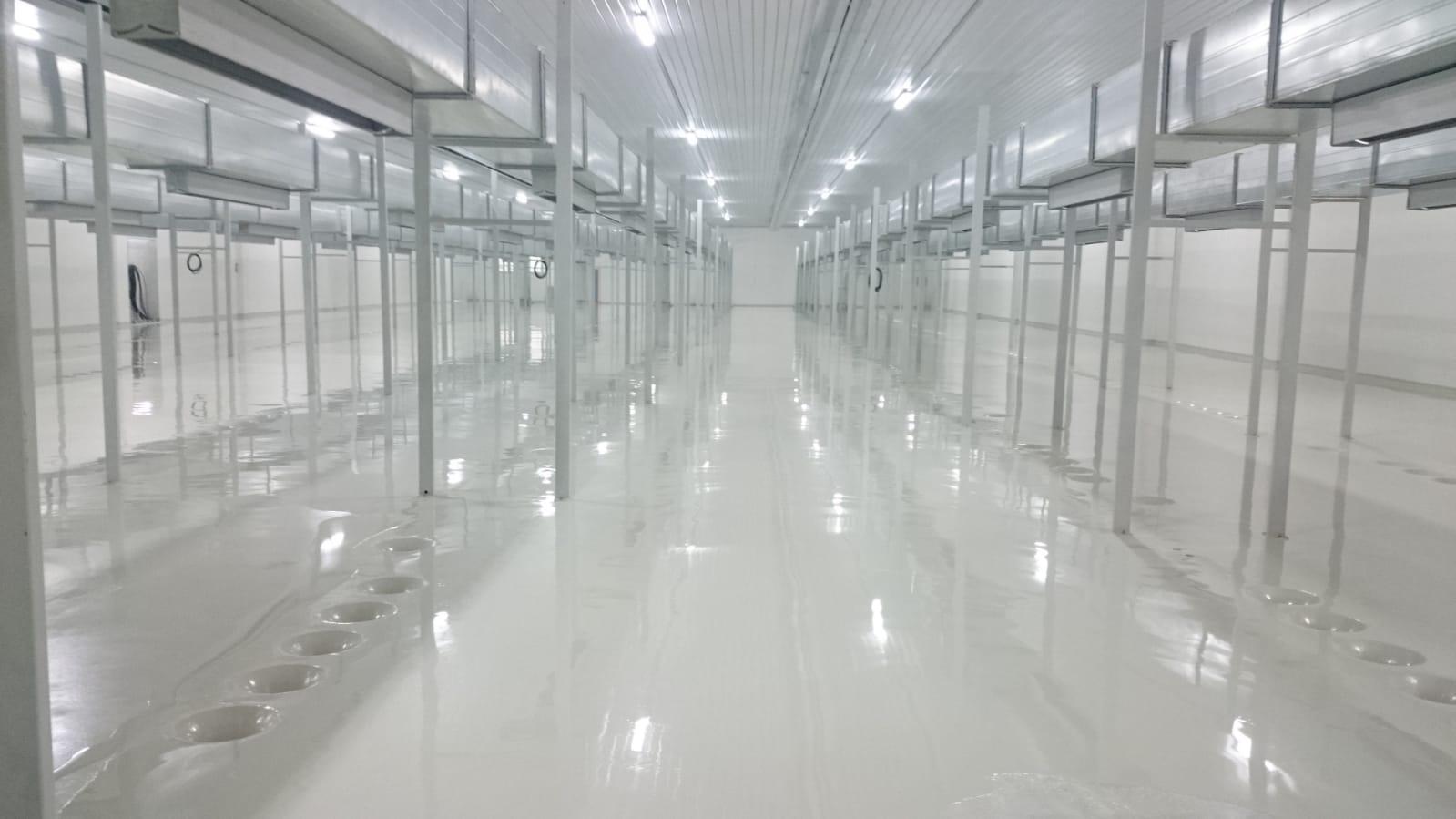
In enclosed production plants, warehouses, car parks and showrooms, epoxy is usually the more economical and entirely sufficient choice. In food plants, cold storage, commercial kitchens, open terraces and outdoor car parks, polyurethane takes the lead.
On many projects the best result comes from a hybrid build-up: epoxy provides thickness and mechanical strength, and a polyurethane topcoat adds UV and thermal resistance on top.
Choose the system by the load, chemistry and temperature range the floor faces, not by the name of the material.